The Importance of Shrink Wrapping for Construction to Continue Work in the Weather/Rain
The Importance of Shrink Wrapping for Construction to Continue Work in the Weather/Rain
On a perfect day, construction is a well-choreographed dance. Crews move in sequence, deliveries arrive on time, materials stay dry, and the schedule flows. Then the forecast changes.
Rain comes in sideways. Wind tears at temporary covers. Exposed framing, open roofs, and half-finished interiors suddenly become vulnerable. Work slows or stops. Concrete pours get pushed, trades fall behind, and “weather delays” start appearing in emails and change orders.
We see this story play out all the time. The difference is that our clients do not have to accept it as inevitable.
At Shrink Wrap Pros, we specialize in construction shrink wrap that turns open buildings and scaffolding into tight, weatherproof enclosures. Our goal is simple: We help you keep working through rain, storms, and unpredictable seasons instead of letting the weather control your schedule.
In this post, we will walk through why shrink wrapping is such a powerful tool for staying productive in bad weather, how it compares to traditional tarps, and what it looks like when our crews mobilize on a jobsite.
Why Rain And Weather Hit Construction Hard
Every project manager knows that weather is more than a nuisance. It affects almost every part of a job.
- Schedules and critical path: Heavy rain, wind, and saturated surfaces can shut down exterior work and delay key milestones like dry-in, roof replacement, or structural repairs. Industry resources on construction weather protection make it clear that temporary enclosures are often the difference between staying on schedule or sliding weeks behind.
- Quality and rework: Moisture intrusion through gaps, torn tarps, or uncovered openings can lead to swollen subfloors, damaged drywall, mold risk, and callbacks that eat profit.
- Safety and access: Slick surfaces, blowing debris, and makeshift plastic covers create hazards for crews and the public. When protection fails in the wind, you do not just have leaks—you have loose materials that can fall or blow into neighboring properties.
- Budget and morale: Each lost day adds manpower costs, equipment rental, extended general conditions, and friction with owners or insurers. Crews lose momentum and confidence when they cannot count on a dry, workable site.
That is why so many contractors and owners are moving from “hope the tarps hold” to planned, professional weather protection using shrink wrap. Construction-specific shrink wrap is designed to provide a tighter, longer-lasting weather barrier than traditional tarps and sheeting, which commonly fail in heavy wind and rain.
How Construction Shrink Wrap Works
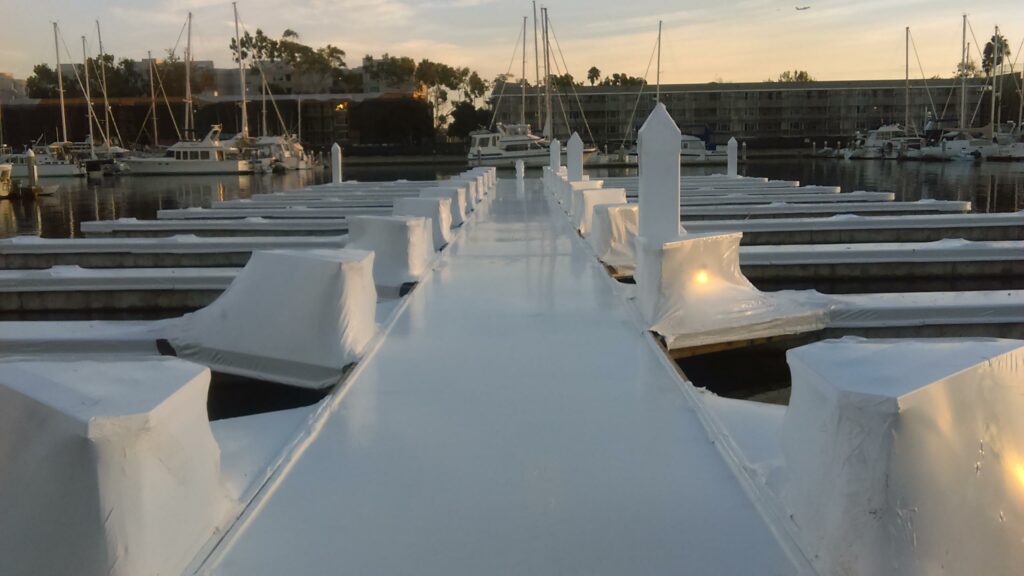
Construction shrink wrap is a heavy-duty plastic film that we custom-fit and heat-seal around scaffolding, roof decks, building exteriors, and critical components.
When we install it correctly:
- It shrinks tight around the framing or scaffold, forming a drum-tight skin that does not flap or billow.
- Seams are heat-welded, not just taped, so the enclosure acts as a continuous barrier instead of a patchwork.
- The finished wrap is waterproof, UV-resistant, and fire-retardant, with industrial thickness and additives that stand up to months of exposure.
- We add zipper doors and access panels so crews and inspectors can move in and out without cutting or damaging the enclosure.
On our [Construction Shrink Wrap Services page], we describe it simply: It is the solution that allows you to keep working in all seasons and weather conditions, instead of watching tarps tear and schedules slip.
Keeping Work Moving in the Rain: What Shrink Wrap Changes
So what really changes on a project once the wrap goes up? For our construction clients, the impact shows up in four big ways.
1. A True Weatherproof Enclosure
When we shrink-wrap a roof opening, a scaffolding system, or an entire building, we create a sealed temporary shell that keeps rain and wind out so crews can keep working inside.
For owners and GCs, this means:
- Interior framing, MEP rough-in, and drywall can stay active even during rainy stretches.
- Roof replacement and re-decking can move ahead while we act as a temporary roof over the exposed deck.
- Sensitive finishes, equipment, and stored materials stay dry instead of being exposed every time a storm rolls through.
2. Schedule Protection and Fewer “Weather Days”
A weather protective enclosure does more than keep water out. It gives you a predictable work environment, which is critical for schedule control. Our construction clients see immediate benefits:
- Subcontractors are far more willing to stay mobilized and hit their dates when they know the space will be dry.
- Concrete, coatings, and adhesives can cure as planned instead of being repeatedly postponed.
- You can line up multiple trades under the same enclosure, which improves coordination and keeps the critical path tight.
On our site, one project manager put it best. After we wrapped his job, all the subs worked on the project because it was dry, and they could trust that conditions inside would stay that way.
3. Better Quality and Fewer Moisture-Related Issues
When we keep bulk water off a building and prevent rain from blowing through open walls and roofs, we are not just saving days. We are protecting long-term quality. Shrink-wrapped enclosures help:
- Prevent swollen subfloors, warped framing, and other moisture damage.
- Reduce the risk of mold growth in building assemblies that would otherwise see repeated wetting.
- Protect high-value components like HVAC units, electrical panels, and plumbing systems that are often installed before the exterior is fully sealed.
4. Safer, More Productive Work Environments
Loose tarps and flapping plastic are more than an annoyance. They block visibility, create trip hazards, and can even detach in high winds. By contrast, a properly installed shrink wrap system:
- Sits tight against the structure, reducing trip and snag points.
- Allows natural light to filter through, which improves visibility and crew comfort.
- Can be combined with temporary heat or ventilation to create a more stable environment for both people and materials.
Shrink Wrap vs. Tarps in Wet Weather
Many of our clients come to us after years of using tarps to protect open structures. They already know the pain points. Tarps are quick and familiar, but they often leak, flap, tear, and blow off in storms, especially on large or elevated surfaces.
By comparison, shrink wrap offers key advantages when the goal is to keep working through rain:
- Custom fit instead of loose coverage: We wrap the structure, heat seal the film, and then shrink it tight. The result is a continuous skin that will not sag or pool water.
- Sealed seams: Overlaps are heat-welded, not just tied or taped. That helps stop wind-driven rain from sneaking in through gaps.
- Durability: Construction-grade shrink wrap is designed to handle high winds and UV for extended periods. Some systems are rated for wind speeds up to 90 mph and can last for many months.
- Integrated access: We build zipper doors and panels into the wrap, so crews can get in and out easily while the enclosure still stays sealed.
Real Construction Scenarios Where Shrink Wrap Keeps You Moving
Every project is different, but we see common situations where shrink wrapping is the smartest way to keep working in wet weather.
- Open roof replacements and re-decks: We create a temporary roof that sheds rain and keeps the interior dry while the roofing scope continues.
- Scaffold Wraps for Exterior Work: We help you contain dust and debris while protecting the building envelope from wind-driven rain during cladding or window replacement.
- New Builds in Rainy or Winter Seasons: We can enclose floors or entire structures so interior trades can move forward even when the forecast is ugly.
- Protecting equipment: We keep HVAC units, electrical gear, and custom components dry until installation.
Why Work With Shrink Wrap Pros?
There are many types of plastic and many ways to cover a building. What sets our team apart is how we combine materials, methods, and mobility.
- Industrial-grade materials: We use thick, construction-grade shrink wrap with UV protection, moisture resistance, and fire-retardant properties.
- Custom fitting and proprietary methods: Every job is measured and tailored to the structure using proven heat sealing techniques.
- Nationwide mobile service: Our team travels to projects across the country. Whether you are in Southern California, Las Vegas, or on the other side of the map, we can mobilize quickly.
- Experience across high-stakes industries: We protect everything from high-tech aerospace components to confidential military assets and major commercial projects.
Most importantly, we understand what it feels like to be the one responsible for a schedule, a budget, and a structure that cannot afford another surprise from the forecast. Our job is to give you one less thing to worry about when the sky turns gray.
Contact Shrink Wrap Pros Today for a Consultation
If you are tired of losing days, dollars, and sleep every time it rains, we are ready to help.
Whether you are managing a roof replacement that cannot keep getting pushed, a new build that needs to stay on track through a rainy season, or a complex renovation where interior work must continue—our solutions can give you the weather protection you need.
Contact Shrink Wrap Pros today for a consultation so we can help you keep working through the weather and protect your project from costly delays.
Disclaimer: The information in this article is provided for general informational purposes only and should not be interpreted as a guarantee of service results or coverage. Weather conditions, building structure, and other site-specific factors may affect installation timelines and performance. Please contact us directly for an assessment and customized quote.