
Military Shrink Wrap for Equipment Storage: How to Prevent Corrosion, UV Damage, and Moisture Intrusion
Military Shrink Wrap for Equipment Storage: How to Prevent Corrosion, UV Damage, and Moisture Intrusion
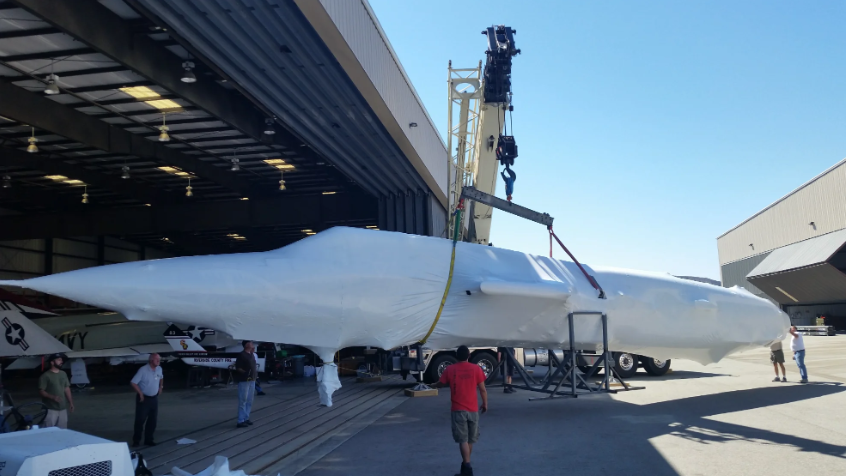
Long-term military equipment storage is rarely straightforward. When assets are parked, staged, or placed into preservation mode, weather and exposure do not pause. Moisture can seep into seams and around access points. Sunlight can degrade finishes and surface materials. Condensation can build in enclosed or hard-to-see areas. Over time, those conditions can lead to corrosion, compromised electrical components, and dried or cracked seals and coatings.
A storage protection plan should do more than cover equipment. It should reduce the environmental inputs that cause damage and keep those risks controlled for the full storage cycle. That is exactly where military shrink wrap fits. When applied correctly, shrink wrap creates a durable, form-fitting barrier designed to protect equipment during staging, transport, and long-term storage. The key is a tight, stable install that holds up through wind, weather, and temperature swings.
In this post, we explain how corrosion, UV damage, and moisture intrusion typically develop during storage, why conventional coverings often fail, and what a reliable military shrink wrap plan looks like from start to finish.
Why Stored Equipment Breaks Down Over Time
When equipment is actively deployed, it is handled, inspected, moved, and serviced regularly. In storage, assets often sit for extended periods. That shift changes the risk from operational wear to environmental exposure.
Even when an asset never takes a direct hit from a storm, long-term storage still involves:
- Humidity and condensation cycles
- Rain, snow, and wind-driven moisture
- UV radiation from sunlight
- Temperature swings between day and night
- Airborne contaminants like salt, soot, and industrial pollutants
- Pest and rodent intrusion
These conditions exploit predictable weak points, such as openings, enclosed cavities, electrical junctions, coatings, and rubber materials that dry out over time.
The most effective way to reduce storage damage is to limit exposure before it reaches vulnerable surfaces and components. That is what a properly installed shrink wrap system is built to do.
What Military Shrink Wrap Does Differently Than Tarps
Military shrink wrap is a heavy-duty protective film installed around an asset and heat-shrunk to create a tight, form-fitting enclosure. Unlike loose tarps and standard covers, shrink wrap is designed to stay in place and resist shifting in wind and weather.
That difference matters because long-term storage is a test of consistency. A tarp can look fine on day one, then loosen, flap, pool water, tear, or expose corners after repeated cycles of wind and weather. Once that happens, the cover itself becomes a source of exposure. Shrink wrap does the opposite: it holds its shape, stays tight, and keeps protection consistent.
When you choose Shrink Wrap Pros, you are choosing a wrap system built to protect equipment from water and weather damage, corrosion risk, fading, and long-term deterioration. Depending on the project, we can incorporate UV-inhibiting protection, moisture-resistant and anti-corrosive performance, fire-retardant materials, rodent-resistant durability, 100% recyclable shrink film, and access features that support real storage workflows.
A properly planned military storage wrap can support multiple priorities at once, including:
- UV and weather protection
- Moisture resistance to help reduce corrosion risk
- Fire-retardant material options for demanding conditions
- Rodent-resistant protection to reduce nesting and chew damage
- Optional zipper doors for controlled access
- Secure concealment when discretion matters
At Shrink Wrap Pros, we treat military shrink wrapping as a preservation system, not a quick cover. The value comes from matching the wrap approach to your asset, the environment, and the storage timeline.
Corrosion Risk in Storage
What causes corrosion during storage
Corrosion is driven by oxygen, moisture, and time. During storage, moisture becomes a problem in two common ways:
- Direct water intrusion from rain, snow, or wind-driven precipitation that finds gaps in a cover
- Condensation that forms when temperatures drop and moisture settles into enclosed spaces
Corrosion risk rises when residual moisture remains on the asset, when equipment is stored near salt air or coastal transport routes, or when contaminants cling to surfaces and accelerate chemical reactions.
What corrosion leads to
Once corrosion starts, it rarely stays contained. It can spread beneath paint and coatings and concentrate around fasteners, weld seams, and electrical connectors. The cost often shows up during reactivation, when corrosion-related issues slow down return-to-service and add avoidable maintenance time.
How shrink wrap helps reduce corrosion risk
The most effective way to slow corrosion in storage is to limit moisture exposure and maintain a stable protective barrier. The goal is to keep water from working its way in as conditions change. That’s why our military shrink wrap materials are designed to be moisture-resistant and anti-corrosive, and why our installs are built to stay tight through changing weather.
In practical terms, a properly installed enclosure helps by:
- Blocking rain, snow, and wind-driven moisture that can work its way under loose covers
- Reducing wet-dry cycling that accelerates corrosion over time
- Keeping dust and contaminants off surfaces, since buildup can hold moisture against coatings
- Maintaining a tight, sealed fit that stays consistent throughout the storage window
One important note: Corrosion prevention starts before the wrap goes on. For long-term storage, the asset should be cleaned and fully dried, especially around seams, openings, and enclosed cavities, because shrink wrap performs best when it seals a dry asset into a controlled envelope.
UV Exposure and Surface Breakdown
What causes UV deterioration
UV damage builds gradually, which is why it’s easy to underestimate. Over extended storage periods, sunlight can degrade coatings, weaken certain plastics and composites, and dry out rubber seals and gaskets. That’s why our military covers are UV-inhibiting: to help protect equipment from fading, warping, and other forms of sun damage during long staging and storage timelines.
When UV damage becomes a performance issue
UV damage often starts as a surface problem, but it can become functional:
- When coatings break down, surfaces become more vulnerable to moisture intrusion and corrosion
- When seals crack, moisture and contaminants enter more easily
- When markings degrade, identification and compliance needs can become harder to manage
In other words, UV exposure can begin a degradation process that ends with moisture intrusion and corrosion.
How shrink wrap helps with UV exposure
A properly installed shrink wrap system provides consistent coverage that does not shift and expose corners. For longer storage timelines, material selection and installation quality matter most, especially for assets staged outdoors for months at a time.
Moisture Intrusion and Condensation
Why condensation is often the bigger threat
Moisture intrusion isn’t only caused by storms. In long-term storage, condensation is often the bigger issue.
A common pattern looks like this:
- Humid air enters through gaps in a loose cover
- Temperature changes cause moisture to condense inside compartments and cavities
- Moisture lingers in areas that do not dry easily
Moisture inside compartments can lead to corrosion at connectors and junction points, electrical degradation, and accelerated deterioration as moisture repeatedly forms and evaporates over time.
How shrink wrap helps limit moisture intrusion
A properly sealed shrink wrap enclosure helps reduce external moisture penetration and supports a more controlled barrier. For longer storage timelines, the strongest results come from pairing the wrap with a practical preservation plan that includes:
- Proper cleaning and drying before wrapping
- Extra attention to openings, vents, and high-risk points
- Ventilation options when appropriate, based on the asset and storage conditions
- A realistic inspection approach based on internal protocols
Shrink wrap is the foundation; the planning around it keeps performance consistent throughout the storage cycle.
Why Tarps and Basic Covers Fail in Long-Term Storage
Tarps are familiar and quick to deploy, but long-term storage brings repeated stress from wind, precipitation, and temperature swings. Over time, loose coverings often fail in predictable ways:
- Water pools and leaks into seams and openings
- Tie-down points loosen as the cover shifts
- Flapping causes tearing and abrasion
- Gaps form around irregular shapes and corners
- Moisture becomes trapped underneath when airflow is limited
At that point, the cover becomes a maintenance burden, and the asset continues to deteriorate.
Shrink wrap addresses the stability problem by forming a sealed, form-fitting barrier that is designed not to flap, shift, or slide under exposure conditions that regularly compromise tarps.
Before You Shrink Wrap Military Equipment: 5 Things to Confirm
A shrink wrap enclosure performs best when the plan matches the storage reality. Before wrapping, confirm:
1. Storage duration and exposure
How long will the asset sit, and will it be outdoors, partially covered, or exposed to sustained wind and sun?
2. Condition at the time of wrap
Is the equipment clean and fully dry, especially around openings, seams, and enclosed areas?
3. High-risk points
Identify connectors, vents, access points, edges, and any areas where moisture tends to collect.
4. Access needs during storage
If inspections or servicing are expected, plan access up front. We can add zipper door panels so your team can enter without cutting and re-sealing the wrap, enabling access to your assets as needed.
5. Durability requirements
Long-term storage demands a tight fit, strong seams, and reinforcement at stress and abrasion points.
How We Support Military Equipment Storage Projects
Military equipment storage needs vary widely. Some projects involve depot preservation and long-term staging. Others involve protecting assets before transport or during transitional storage. At Shrink Wrap Pros, our job is to match the protective system to the reality of where the asset will sit, how long it will be there, and what exposure it will face.
Here is how we typically approach military equipment storage wrapping:
- We start with the asset and the environment. We look at what needs to be protected, where it will sit, and what conditions it will face so the material and build match the real storage cycle.
- We support long-term preservation. For storage at bases or depots, our shrink wrap “cocoons” equipment to support long-term preservation when assets must be mothballed but still protected for future use.
- We build in access when you need it. If inspections or periodic entry are part of your storage plan, we can include optional zipper doors and place access points to match your workflow, so inspections don’t turn into repeated cut-and-rewrap cycles.
- We deploy on-site with a mobile team. We provide nationwide mobile service and can travel nationally and internationally to wrap equipment where it is staged. That helps reduce extra handling and supports confidentiality when sensitive equipment is involved.
- We prioritize compliance and site protocols. We emphasize professional execution and adherence to military site requirements, including working within established procedures and coordinating as needed on base.
To keep expectations clear, shrink wrapping is a protective packaging and preservation support service. It is not a replacement for your internal maintenance, preservation steps, or equipment-specific protocols. Your team determines the required cleaning, drying, and preservation process for the asset. Our job is to apply and seal a strong, stable wrap system designed to protect equipment during storage and transportation.
For procurement alignment, we’re a SAM-registered government vendor (CAGE code 6VZL7) and we provide free consultations and customized quotes based on the asset and mission requirements. We’re also authorized to bid on federal contracts with an active SAM registration under UEI GQ6NJW1ADF29.
Frequently Asked Questions: Military Shrink Wrap For Storage
1. How long can shrink wrap protect equipment in outdoor storage?
It depends on exposure intensity, installation quality, and the materials selected for the wrap. Storage plans are often built for months at a time, and the wrap should be matched to the expected duration and conditions.
2. Can shrink wrap trap moisture inside?
It can if equipment is wrapped while wet or if moisture is already present in cavities and enclosed areas. Cleaning and drying are critical, and ventilation options may be appropriate depending on the asset and conditions.
3. Can equipment be accessed after it is wrapped?
Yes. If periodic access is expected, zipper door options can be included so teams can enter without repeatedly cutting the wrap.
Contact Shrink Wrap Pros Today To Discuss Your Military Equipment Storage Needs
If you are planning long‑term military equipment storage and want to reduce corrosion risk, limit UV damage, and prevent moisture intrusion, we are ready to help. At Shrink Wrap Pros, we provide tailored military shrink wrap solutions built for demanding conditions. As a woman‑, Native American‑, and veteran‑owned company, we take pride in delivering precision, reliability, and mission‑ready execution.
Our wraps support UV and weather protection, moisture and corrosion prevention, fire‑retardant performance, and rodent‑resistant durability to help safeguard mission‑critical equipment throughout the storage cycle.
To get started, contact Shrink Wrap Pros today for a consultation about your military equipment storage needs. We will discuss your asset type, storage environment, access requirements, and expected duration, then recommend a clear, tailored path forward. The objective is simple: reduce preventable exposure, protect mission‑critical equipment, and keep your storage plan from turning into a repair plan.
Disclaimer: This blog is provided for general informational purposes only and does not constitute engineering, procurement, or compliance advice. Storage needs vary by asset type, environment, and organizational requirements. Please consult internal guidelines and appropriate professionals for asset preservation and safety requirements.